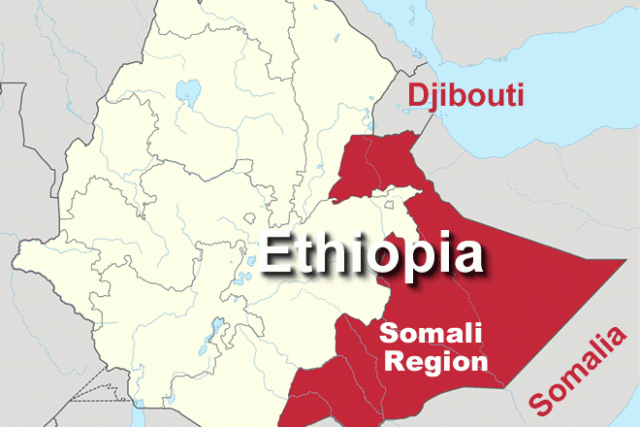

Jigjiga (HN24) – The Horn of Africa is entering an increasingly complicated period of geopolitical uncertainty, regional rivalries, security challenges, economic pressures, and shifting international alliances. In such a difficult environment – and period of time, the people in Somali Regional State cannot allow to get themselves divided, politically fragmented, or get them consumed by internal useless disagreements. More than ever, unity, collective wisdom, and a shared vision are essential to protecting the long-term interests of the people in Somali Regional State and securing their future.
I have no doubt that the geopolitical landscape in Horn of Africa will change when it is all said and done during these storms of geopolitical uncertainty. Without naming any country, by this time – I assume that everyone knows that powerful nations are competing for strategic influence in the Horn of Africa, regional governments are pursuing competing interests including territorial ambitions, and economic and security partnerships are constantly evolving. The Horn of Africa’s strategic location, access to international trade routes, natural resources, and geopolitical significance make it an important arena for international competition. These developments present both opportunities and serious challenges for the people in the Horn of Africa in general, and for people in Somali Regional State in particular.
History teaches us that in times of uncertainty, any divided people become vulnerable to external influence, political manipulation, and competing interests. It is a common sense that when people are divided, their internal division creates opportunities for others to exploit their disagreements and weaken their collective bargaining power. Somali Republic is a good example of how a whole nation is being taken advantage of time and again by others so to advance their own strategic objectives at the expense of the Somali people in Somali Republic.
However, when people are united, they can speak with one voice, defend their legitimate long-term interests, negotiate from a position of strength, and respond more effectively to emerging challenges. With that being said, unity does not mean that everyone must share the same political opinions or abandon their differences. It means recognizing that certain common interests are greater than clan or individual ambitions, political rivalries, and temporary disagreements. In other words, “this reer hebel and that reer hebel” must stop if the people in Somali Regional State want to survive the current geopolitical uncertainty in the Horn of Africa.
History repeatedly demonstrates any people that are weakened by internal divisions often struggle to protect their territorial, political, economic, and security interests. When people become consumed by clan rivalries, territorial disagreements, political competition, and clan/personal ambitions, they lose sight of the bigger picture. Unfortunately, we have to look at the case of the Somali Republic to learn how internal divisions destroy a country.
In conclusion, Horn of Africa is now facing strong geopolitical storms. We’re seeing regional competition, forming alliances, and changing political interests, which will definitely shape the Horn of Africa’s future one way or the other ultimately. However, if the people in Somali Regional State remain united, and organized – and they also become strategically prepared, they can survive this geopolitical uncertainty and emerge as stronger and well-respected people in the Horn of Africa.